Posted in Contribution, Fun, Relationships

Comeradie : A fishing boat, ropes and fishermen

Heading back to shore

Unexpected time out from work found me at the beach for a swim and suntan.  I took advantage of the hot weather as I sensed the beach days of summer were starting to taper off before winter. 

After a swim I was sitting on the beach; people watching and enjoying my afternoon off work. There were plenty of surfers, swimmers, and guys on their stand up paddleboards. Folks were tanning, reading, sleeping, laughing and kids were playing on the beach.    Beyond the breaks a boat of fishermen were heading back to shore with their catch.

                                                                                                                                                                                                       In the curiosity of people watching, I noticed holidaymakers and locals who were swimming; begin to join in with the fishermen to haul in the catch of fish.  Kids and random bystanders started to help by pulling in the ropes of the nets that were dragging through the surf.

The helpers appeared to be inexperienced ‘fishing’ people who were full of enthusiasm and joy to be helping the fishermen.  It was like watching a game of tug-and-war.  Yet; there was no war; only comeradie.  They all pulled their weight to bring in the heavy boat.

The strength of the team is what bought the boat back onto its trailer amongst lots of smiles, sighs, and grunting due to the heavy load.

It was a pleasure to watch people who were committed and enthusiastic get the boat back onto its trailer. These photos were taken from my cell phone, as I was caught up in my own interest and the moment.

My experience was an everyday example of people coming together to collaborate.

Continue reading “Comeradie : A fishing boat, ropes and fishermen”

Posted in Finances, Work Life Balance

Not advertised!

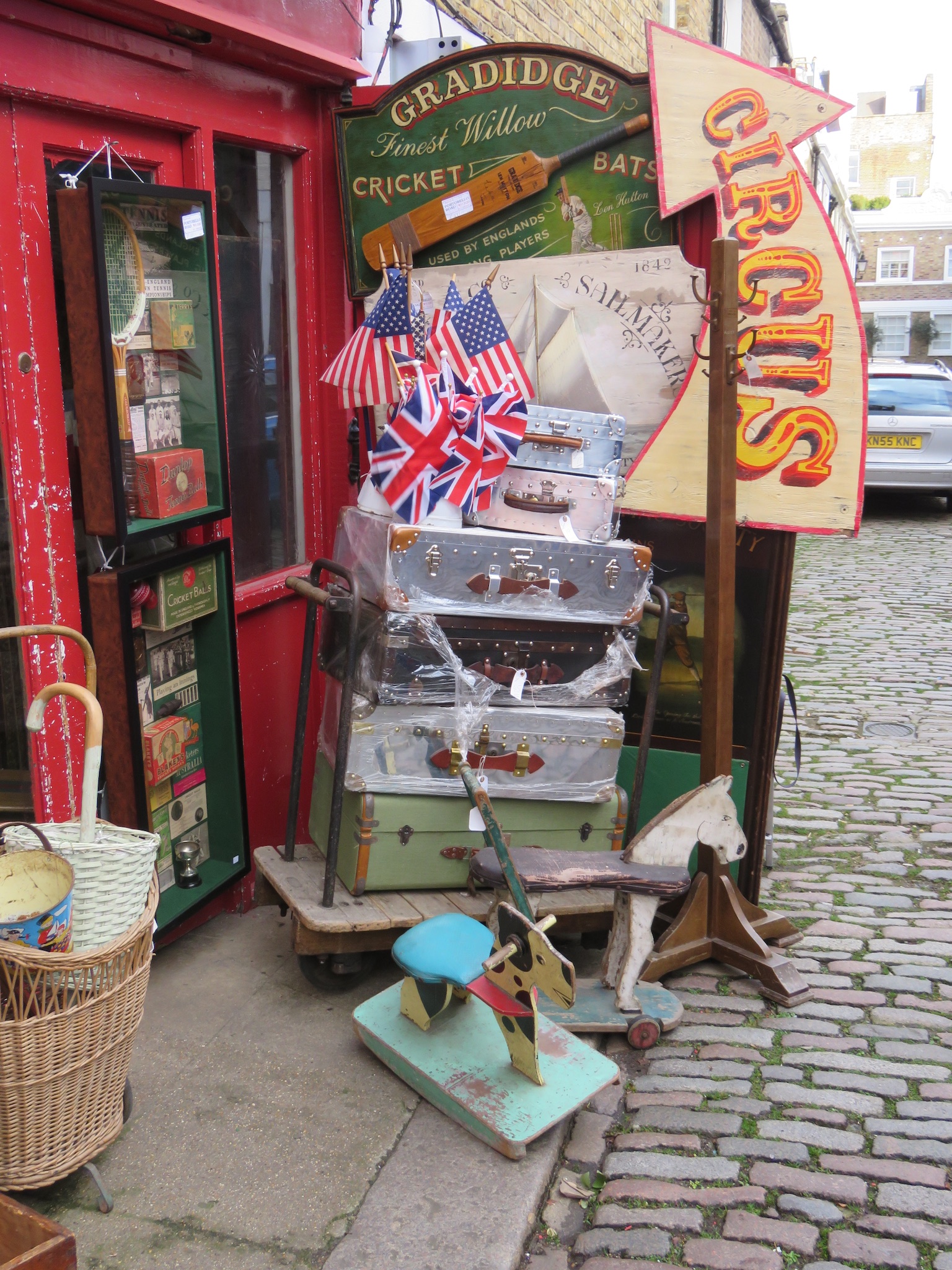
Bric a brac in Notting Hill

Compulsive shopping is a problem that has many of the same affects as alcohol or drug addiction.  It’s normal to indulge in shopping now and then.  The problem is when a person finds they are shopping excessively for no apparent reason, and it begins to erode their quality of life, rather than enhance it.  Western society advocates the promotion of shopping, and for some people shopping is not seen as problem.  Yet for others, people judge the ‘shopaholic’ as being financially irresponsible and their compulsive shopping is seen as a joke.

There is nothing wrong to go ‘fun’ shopping for a treat or for a gift.  At Christmas time there is an excessive amount of shopping to celebrate the season of gift giving.  Most people keep their spending under control in line with their budget.  Yet it can be a serious problem for others.  Too much is bought, and the consequence is that much of what is bought is not needed, and for some there is an increase in debt which becomes the problem of how to pay it back.

There is an excitement to shop around, and be caught up in the sensations of finding what you want.  This is why shopping is considered a stimulating behaviour.  It affects the dopamine reward system in the brain.  Our internal reward system is altered, as there is a distortion in the electrical chemical balances in the brain, which affects the neurotransmitter and receptor cycles. So like a stimulant drug more is needed to get the same high.

When compulsive shopping becomes a necessity or a ‘hobby’ it can become the equivalent of a ‘drug’ fix.  To go shopping precious time and money is needed.  The compulsive shopper starts to waste time on unneeded items that it starts to affect other areas of life: work, family, social, personal, hobbies, and even personal care.  A lot of credit card and unsecured debt is a result of ‘compulsive shopping’.

What initially follows, as the high of acquiring items is short lived; is often regret and disappointment follows.  A cycle of shame and guilt can set in.  Although there is an understanding of how shopping is affecting their lifestyle in terms of money and relationships; the problem continues.  Credit card debt may get out of control, creditors may start phoning as the debt mounts as payments are not met, relationships suffer as there is a problem with money, personal care standards deteriorate, anxiety increases as the need to ‘work for money treadmill’ goes faster.  There is an increased pressure mentally and emotionally.  The affect that may follow is physical ‘dis-ease’.  Hiding, and lying about purchases are some typical behaviours.  Shopping bags are hidden away at the back of a cupboard, labels still on clothing hanging up, as items are unworn.  Multiple credit cards and unsecured loans…the cycle continues………

What’s needed?

STOP irrational behaviours that hurt and change direction.  Try something different and new! Shopping won’t fix a depressed mood, a void in life, or even to avoid loneliness.

How is the BIG question?

The aim of recovery from shopping addiction is to get back to a more balanced level; as shopping like eating can’t be avoided.

Tips:

  • Try and identify the cause by working with a counsellor, therapist or psychologist;
  • The patterns of shopping need to be reviewed.  What was happening before the shopping binge? What was the trigger?  What were some of the thoughts?  Work?  Family or partner struggles? What were the feelings?  Depressed? Will I appear more successful or more handsome or beautiful if I have that item of clothing?  Yet, back in the wardrobe there are already five colours of the same styled tee shirts.  Going to the shop for one CD, and coming out with 10 because there were bargains to be had?  Multiple gadgets with the same functionality? A continuous impulse to buy now, and pay later.  Not shopping around for the best price, paying double, no savings?
  • Debt management plan to suit your needs-perhaps a need to see a debt counsellor to consolidate credit cards and unsecured loans debt, review bills and fees, re-negotiate interest rates, one monthly payment, find a solution that works for you;
  • Avoid temptation by leaving credit cards at home or even cutting up cards;
  • Have a shopping list when going to the shops as you abstain from continuous impulse buying;
  • Set a personal limit for spending, and anything over that limit is excessive or impulsive;
  • Budget for big items of expenditure over a certain personal limit you have;
  • Don’t go shopping when feeling depressed, distract and do something else.  Phone friends and meet up, exercise, walk the dog, engage in a hobby, take a shower, read a book; anything to avoid the need to impulsively shop and spend money;
  • Join a support group like Debtor’s Anonymous to help with compulsive shopping and spending with unsecured debt (loans and credit cards) one day at a time;
  • Share with family and supportive trusted friends when you are struggling with the impulse to go shopping;
  • Stop wishful thinking that a magic wand is going to take away the debt, ask for help, set goals and make a plan.  Only taking action will alleviate the debt from compulsive shopping;
  •  Ask is this a need or a want?  Wait a week to see is the same desire there?

Like withdrawal from stimulating physical substances, there are affects mentally, emotionally and physically.  As changes are made in behaviours for healthier choices moderation starts to happen and there may be positive benefits as the shame, guilt and worry lessens.  Life begins to appear brighter, and balance starts to happen in more areas of life.  Relationships are improved, as there is less pressure, worry, blaming and arguing.  Finances become more manageable.  Hobbies are rediscovered, and health possibly improves as the ‘dis-ease’ is lessened.  Work becomes fun as opposed to chore on the ‘need to work for more money to pay debt treadmill’. Recovery happens and the balancing scales start to even out between the extremes.

A healthier advert for life?  Time to take stock?

Posted in What's on my mind?

Eating Disorders ?

Food – friend or foe?

Eating disorders; such as anorexia, bulimia, and binge eating disorder include extreme emotions, attitudes, and behaviours surrounding weight and food issues. Eating disorders are serious emotional and physical problems that can have life-threatening consequences for females and males.

ANOREXIA NERVOSA is characterised by self-starvation and excessive weight loss.

Symptoms include:

  • Refusal to maintain body weight at or above a minimally normal weight for height, body type, age, and activity level
  • Intense fear of weight gain or being “fat”
  • Feeling “fat” or overweight despite dramatic weight loss
  • Loss of menstrual periods
  • Extreme concern with body weight and shape

BULIMIA NERVOSA is characterised by a secretive cycle of binge eating followed by purging. Bulimia includes eating large amounts of food; more than most people would eat in one meal, in short periods of time.  They then get rid of the food and calories through vomiting, laxative abuse, or over- exercising.

Symptoms include:

  •      Repeated episodes of bingeing and purging
  •      Feeling out of control during a binge and eating beyond the point of comfortable fullness
  •      Purging after a binge (typically by self-induced vomiting, abuse of laxatives, diet pills and/or     diuretics, excessive exercise, or fasting)
  •      Frequent dieting
  •      Extreme concern with body weight and shape

BINGE EATING DISORDER (also known as COMPULSIVE OVEREATING) is characterised primarily by periods of uncontrolled, impulsive, or continuous eating beyond the point of feeling comfortably full. While there is no purging, there may be sporadic fasts or repetitive diets and often feelings of shame or self-hatred after a binge. People who overeat compulsively may struggle with anxiety, depression, and loneliness, which can contribute to their unhealthy episodes of binge eating. Body weight may vary from normal to mild, moderate, or severe obesity.

OTHER EATING DISORDERS can include some combination of the signs and symptoms of anorexia, bulimia, and/or binge eating disorder. While these behaviours may not be clinically considered a full syndrome eating disorder, they can still be physically dangerous and emotionally draining. All eating disorders require professional help.

Contact: National Eating Disorders Association

Posted in What's on my mind?

Stress Need Not Take Over Your Life

The health problems associated with stress should not be neglected as death rates from several of these conditions suggest you should take action to confront any issues you may have. This can likewise have an impact on your lifestyle and people who are around you and therefore it is not only your health that is at stake here. It could be that you just become aware of this when you start to feel unhealthy or have anxiety attacks, as the symptoms are not always apparent initially. If stress has become part of the way you live, then continue reading as we explore how you can cope with it. 


As with anything, the first thing you should do is accept you have a problem and determine the root cause of it. It could be your home life; work life or a common concern nowadays is money. When you understand what may be causing this, you can start to search for some solutions, which can include obtaining expert help. If you are struggling with debt, you are not alone and today there are numerous ways you can start to recover from this if you are prepared to ask for aid. It could also be that pressure from your supervisor is making you wary of going to work each day and if that is the case you may need to look for a way out. 


The physical feelings associated with stress are an area you can deal with yourself to reduce the effects as much as possible. During times of stress, we are in danger of using alcohol or convenience foods for relief; although this is not good for our health. In reality you need to consider eating healthily as a way to help your recovery because doing the opposite can just lead to more distress. Eating well can fight the effects of stress because of the healthy nutrients this provides and this can be further supported through taking vitamin supplements. In terms of anxiety, B vitamins are known to be particularly helpful.

If you change your diet, you can further enhance the benefits of this by doing some type of exercise. Whenever you exercise, you should observe that the symptoms of stress are lessened as your lungs begin to work harder. Following a pretty intense workout session, you should observe that you feel less stressed. Anything that makes you feel better about yourself is good in the battle against stress.  Exercise will also help you get a good night’s sleep; which can be a problem at these times in your life.

In addition to caring for your body, search for ways to soothe your mind. A new pursuit, meditation or simply walking in the countryside can all help here. 

Stress can cause a lot of damage to your health and lifestyle if you let it. The most effective way to beat it is to regain control of your mind and body and begin to look forward to living your life again.

Article Directory: http://www.articlecube.comImage