

I remember a time I flew by myself from Johannesburg to Perth when I was 19 years old. I overpacked and my parents had to take a suitcase back home. My dad was fuming at the thought he was going to be charged a luggage overweight penalty of R1000 for my magazines, books and music collection! Crying, my mom and dad helped me sort out my packing at the check-in desk. I was mortified, as I somehow thought I needed to take my favourite possessions with me! I slept on a chair in Harare airport in a long layover back then as there were no direct flights due to travel embargoes. I was taken to lunch by an airport porter for passengers in limbo to the in-transit restaurant. A white linen tablecloth covered the table, as I sat with other passengers. We were greeted by a local Zimbabwean with a great beaming smile as our waiter served a chicken type lunch. It was the beginning of many solo trips. I was also fortunate to travel with friends and partners I had over the years, and have had many great experiences globally.
Lately I have been taking solo trips as a singleton again, and so many of my friends over the years say to me “How do you do it? I couldn’t do that!” Well firstly it takes a big dose of courage as there are some places or events or friends I really want to see. Secondly it requires practice! I say that tongue in cheek and embarking on a journey alone can be both exhilarating and nerve-wracking. Solo travel offers a unique opportunity to discover new places, meet interesting people, and ultimately, discover your own true self.

Planning a solo bucket list trip can be daunting if you’re wanting to follow your desires yet there’s some angst. This blog post is to help ease your concerns and provide guidance on making your first solo adventure a success.
- Choose the right destination for you: Before setting off on your solo adventure, carefully select a destination that aligns with your interests and comfort level. Opt for places known for their friendly locals, safety record, and ease of navigation. Research destinations that cater to solo travellers, with plenty of social activities, suitable accommodation that you want to stay in, and a vibrant community scene if you’re wanting a blend of fun and chill out time. This gives you some opportunities to chat to people and sometimes you may meet other fellow travellers. My own experience travelling solo is couples and families tend to stick to themselves. It can be lonely at times and this has taught me to become more comfortable being by myself with my own company.
- Plan, but leave room for spontaneity: While it’s essential to plan your trip in advance, leave space for spontaneous adventures. Prepare a loose itinerary with must-see attractions, local experiences, and any necessary bookings or reservations. But also embrace the freedom to change your plans, follow the recommendations of fellow travellers or locals you meet, and seize unexpected opportunities that arise. One of the things I like to do is look at local attractions on the AirBnb app. I booked a pastry making course in Antibes and learnt to make croissants with a local French pastry chef. It was held in her home and I had a one to one lesson and great conversation as we learnt about each others lives. It was a chance to practice French and English for both of us!
- Pack light and smart: Travelling solo means you’re responsible for handling your luggage all by yourself. Pack light, bringing only the essentials. Aim for a versatile wardrobe based on the climate and culture of your destination. Don’t forget to research the local customs and dress code, ensuring you respect their traditions. This is particularly so when I’ve travelled to Middle Eastern cultures and being mindful. Do your research! Additionally, invest in a reliable anti-theft backpack to keep your belongings secure. Not my greatest tip for me, as I still overpack sometimes as I have been caught out with lost luggage too several times! I’ve got better at this one! Most places have shops so be prepared to buy clothes if needed and leave the heavy stuff behind at home. Not easy during winter though with jackets and jumpers.
- Stay connected and safe: Inform your loved ones about your travel plans, share your itinerary, and keep them updated regularly. Stay connected through international SIM cards, Wi-Fi, or local SIM cards upon arrival. Familiarise yourself with local emergency numbers and download apps like city guides, translators, or those specifically designed for solo travellers.
- Adopt a positive attitude and stay open-minded: One of the joys of solo travel is immersing yourself in new cultures, connecting with locals, and embracing unexpected encounters. Approach each interaction with an open mind, be respectful of local customs and traditions, and engage in meaningful conversations. Embrace the opportunity to step out of your comfort zone, challenge your limits, and to grow personally. Most people are friendly and if they hear you have an accent that’s always a great conversation opener in my experience as people are naturally curious.
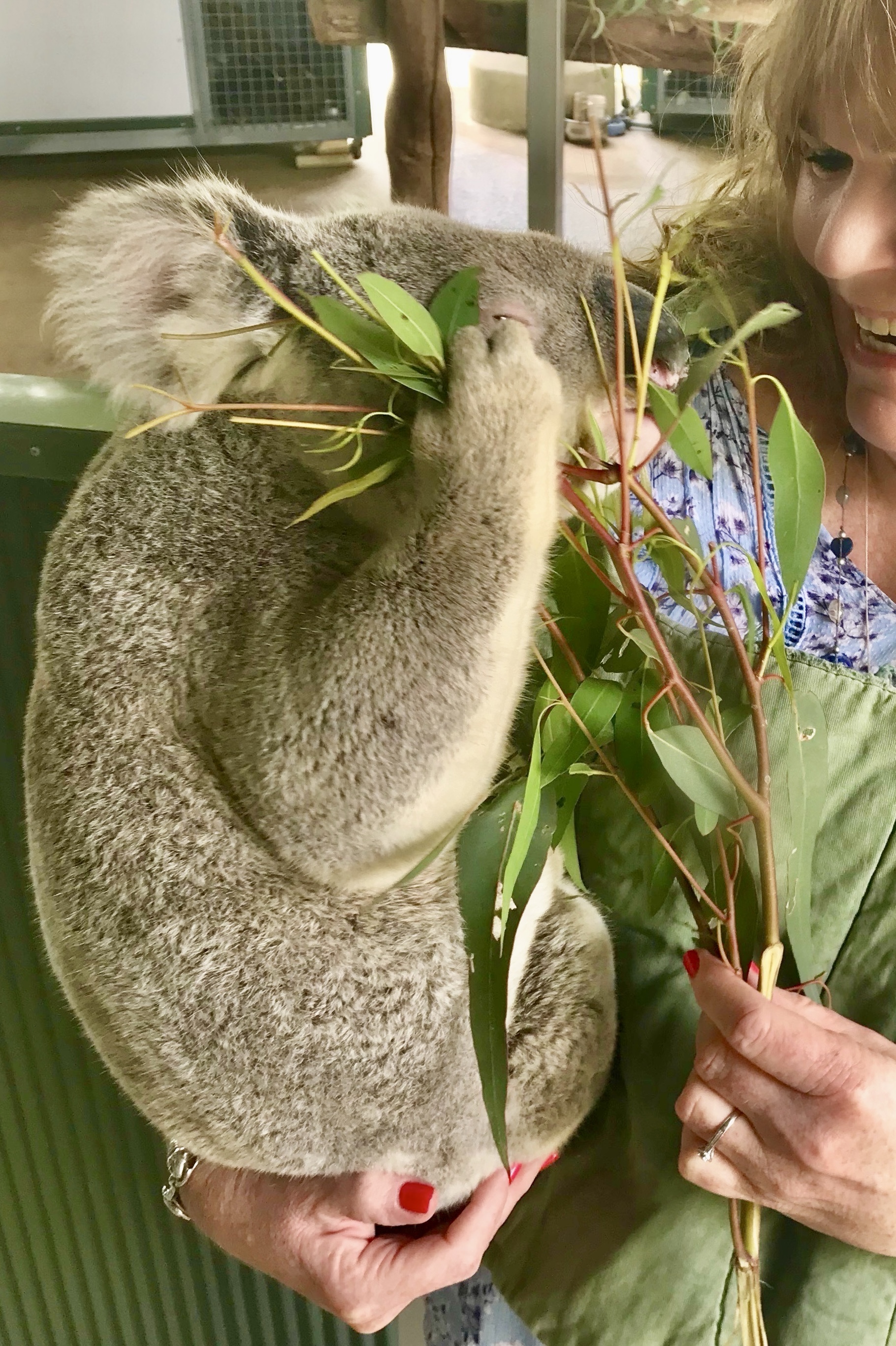
- Connect with other travellers or not: Although solo travel allows for independence, joining organised tours can present fantastic opportunities to meet like-minded individuals. If you feel like it join group activities, or local tours, or participate in organised adventure trips. Engaging with other travellers not only provides companionship but also enhances your travel experience by gaining valuable insights and creating new friendships. I made a new friend from Japan on one of my trips back to Perth cuddling koalas at Cohunu Koala Park. We still message each other now and then knowing the door is open if we visit each other’s countries in future. Again this is a very personal experience and sometimes I may do a hybrid tour and select parts of it and abort the rest. Go with whatever works for you!
- Stay mindful and trust your instincts: Solo travel can be empowering and liberating, but it’s crucial to stay vigilant and trust your instincts. Pay attention to what’s around you if you are not sure where you are. Act confidently, avoid displaying your valuables, and never hesitate to seek assistance from trusted sources like hotels, tourist offices, or police personnel. It’s important to trust your instinct and stay close to people if you feel nervous or unsafe.
Solo travel can be one of the most rewarding experiences of your life, offering profound personal growth, self-discovery, and lasting memories. By choosing the right destination, planning ahead, staying connected, and embracing the opportunities that come your way, you’ll be well on your way to enjoying the limitless possibilities of travelling by yourself.
So pack your bags, put on your brave face, and get ready to embark on a journey of a lifetime! Book that bucket list trip!


